How to Foster Collaboration Among Local Clubs
Collaboration among local clubs can enhance community engagement and create a vibrant social atmosphere. This article explores effective strategies to foster collaboration, drawing from research and expert recommendations.
Understanding the Importance of Collaboration
Collaboration among local clubs can often lead to a stronger sense of community. According to a study published in the Journal of Community Development, neighborhoods with active collaboration among community groups report a 25% higher satisfaction rate among residents. This is primarily because collaboration encourages sharing resources, ideas, and experiences, which can benefit all parties involved.

"Working together allows local clubs to leverage each other's strengths and create a more resilient community." - Community Development Expert
Strategies to Encourage Collaboration
There are several effective methods that local clubs can implement to foster collaboration:
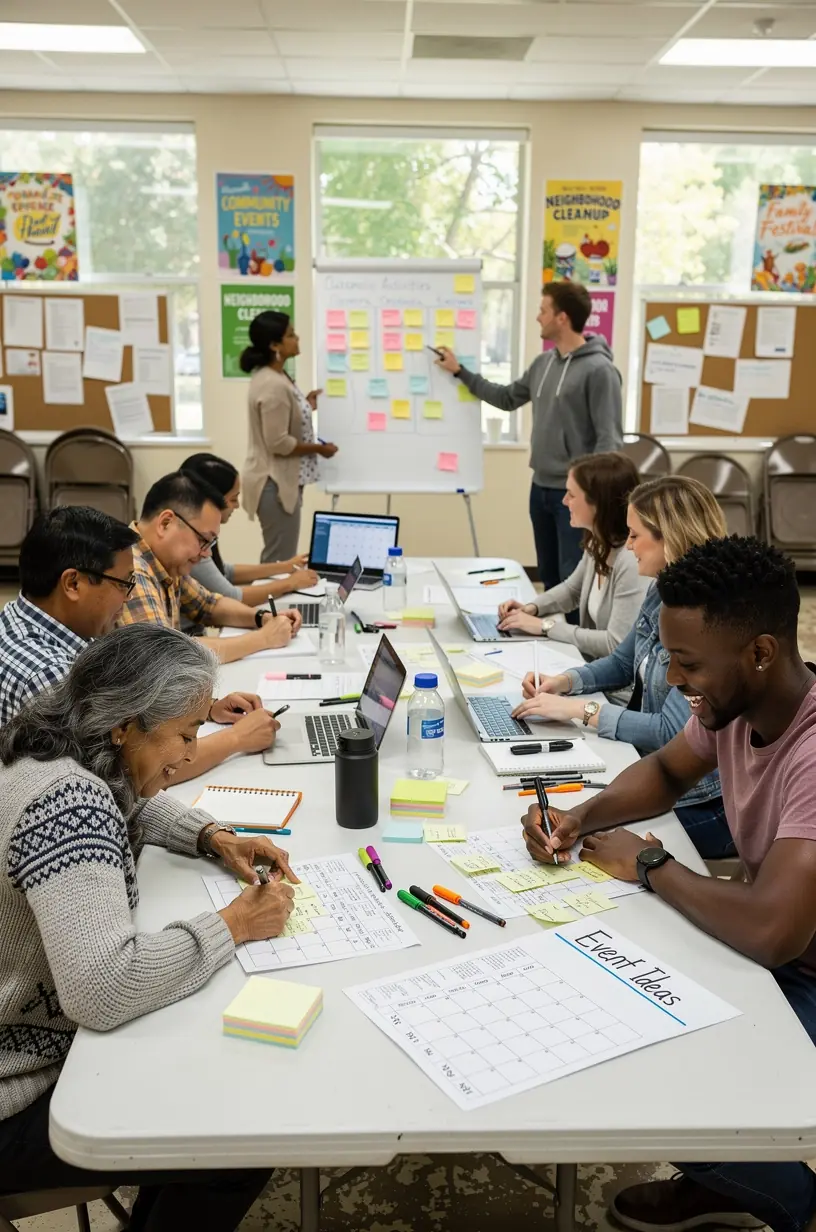
- Regular Joint Meetings: Hosting regular meetings between clubs can help establish a platform for sharing ideas and opportunities. Experts recommend scheduling these meetings monthly to maintain momentum and engagement.
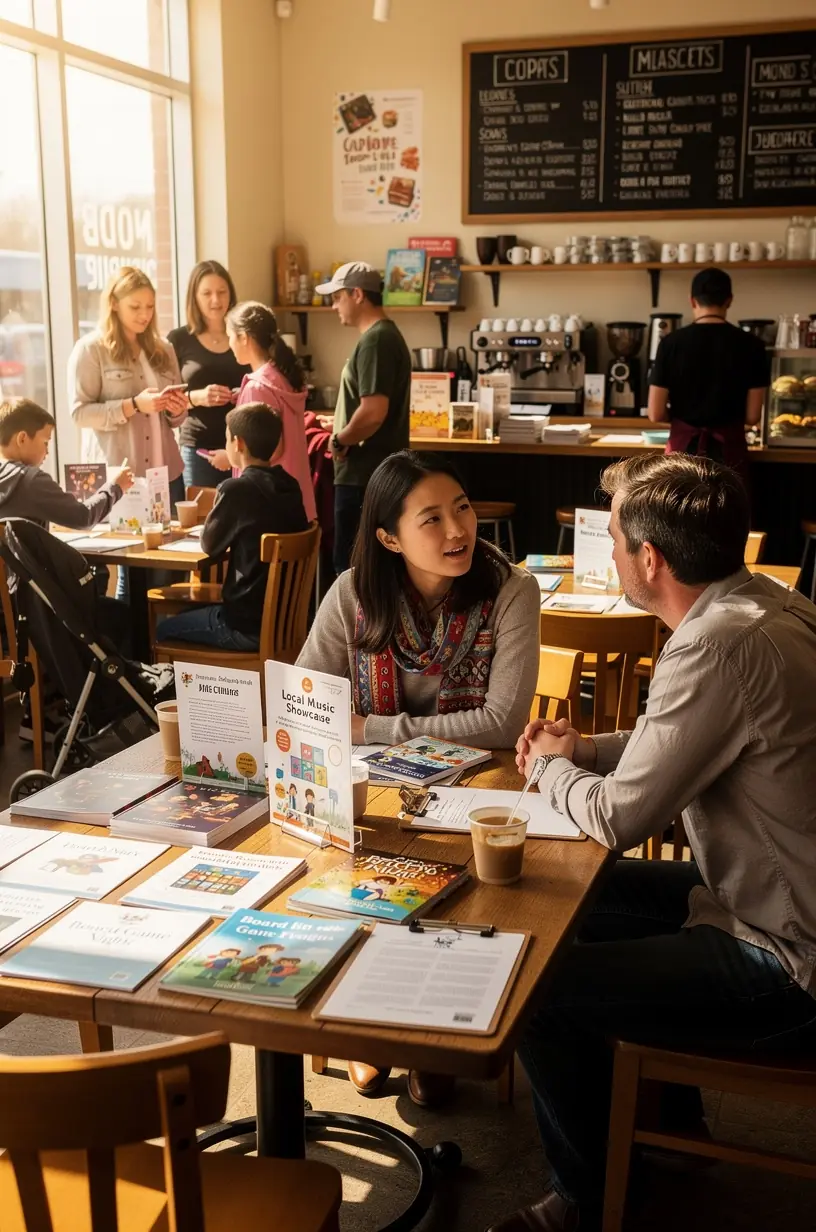
- Shared Events: Organizing community events that involve multiple clubs can increase visibility and participation. Research indicates that events with diverse participation can draw larger crowds, enhancing community connections.
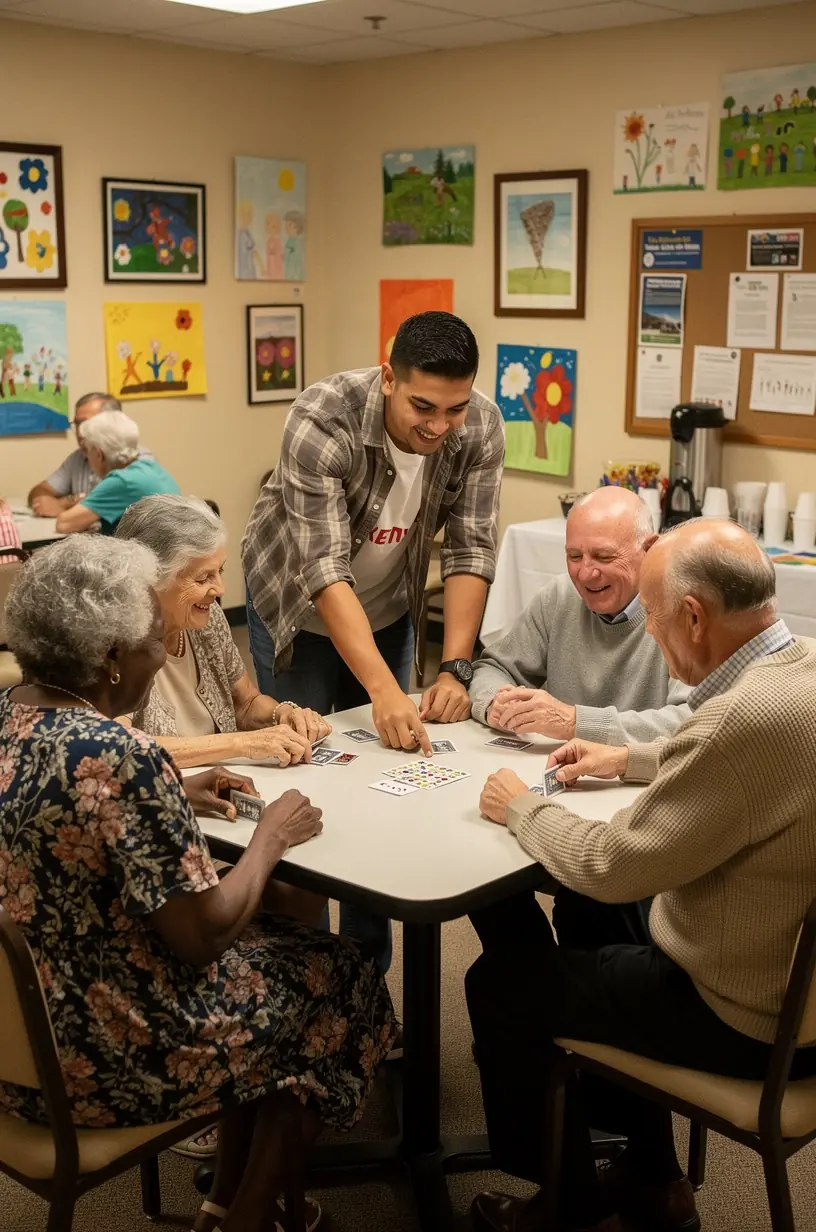
- Resource Sharing: Local clubs can benefit from sharing tools, venues, and even expertise. This synergy often leads to innovative projects and initiatives that may not be possible individually.
Building a Collaborative Culture
Creating a culture of collaboration requires time and dedication. Clubs should consider the following practices to build this culture:
- Establish Clear Goals: Clubs should define shared objectives that align with their individual missions. This clarity can guide discussions and initiatives effectively.
- Encourage Open Communication: Regular updates and open channels for feedback can help maintain transparency and trust among the clubs.
- Recognize Contributions: Acknowledging and celebrating each club's contributions can foster goodwill and motivate members to engage in collaborative efforts.
Acknowledging Limitations
While fostering collaboration can lead to significant benefits, it's important to recognize that it typically requires sustained effort. Time commitments can range from a few hours a month for meetings to several weeks for planning joint events. In most cases, clubs may also face challenges such as differing priorities or resource constraints. These factors can impact the effectiveness of collaboration and should be considered when planning initiatives.
Conclusion
Fostering collaboration among local clubs is an effective approach to enhancing community engagement. By implementing strategies like regular meetings, shared events, and resource sharing, clubs can create a more vibrant and connected neighborhood. While challenges exist, the potential rewards in terms of community satisfaction and cohesion are well worth the effort. Start small, stay committed, and watch your community thrive.