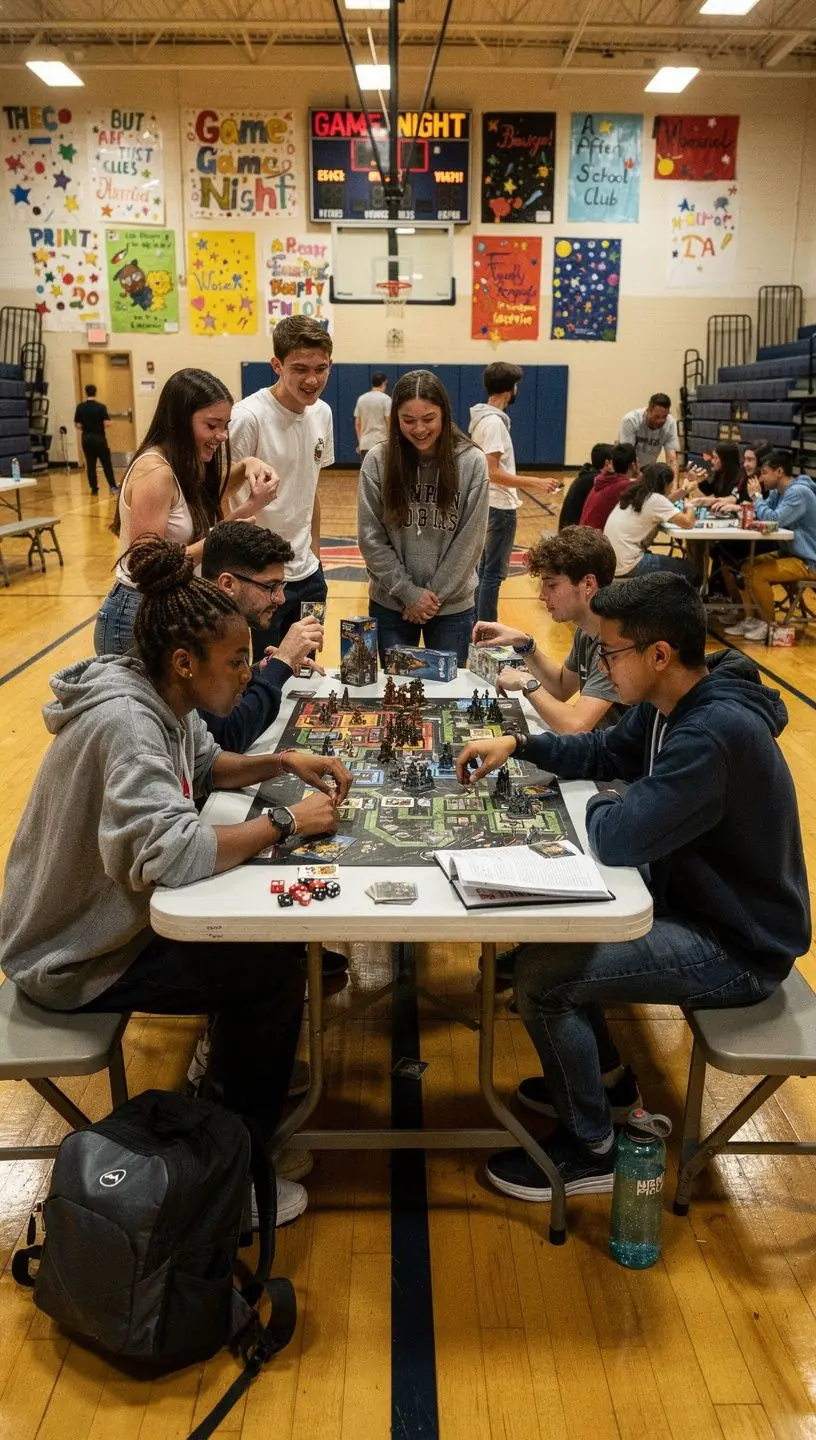
How to Start a Neighborhood Game Exchange
Creating a game exchange in your neighborhood can foster community spirit while providing a fun way to share and enjoy board games. This guide outlines the steps to establish a successful game exchange, emphasizing community engagement and shared enjoyment.
Understanding the Basics
A neighborhood game exchange is a platform where residents can lend, borrow, or trade board games. This initiative not only promotes interaction among neighbors but also encourages the exploration of new games. According to research, social interactions can enhance community bonds, making game exchanges a beneficial venture.
"Communities thrive when there is shared engagement in activities, and game exchanges offer a fantastic outlet for this." - Community Development Expert
Getting Started
Starting a neighborhood game exchange involves several steps:
- Gather Interest: Use local social media groups or community boards to gauge interest. Many users report that starting small increases engagement, typically attracting 5-10 participants initially.
- Choose a Location: Select a public space such as a community center, park, or even a local café. This decision is important, as accessibility is crucial for participation.
- Set Guidelines: Establish clear rules for lending and borrowing games. Experts recommend including guidelines on the condition of games and sharing responsibilities, which improves accountability.
Promoting Your Exchange
Once you've set up the exchange, promotion is key. Here are some effective strategies:
- Social Media Announcements: Create an event page on platforms like Facebook or Instagram to share updates and gather feedback.
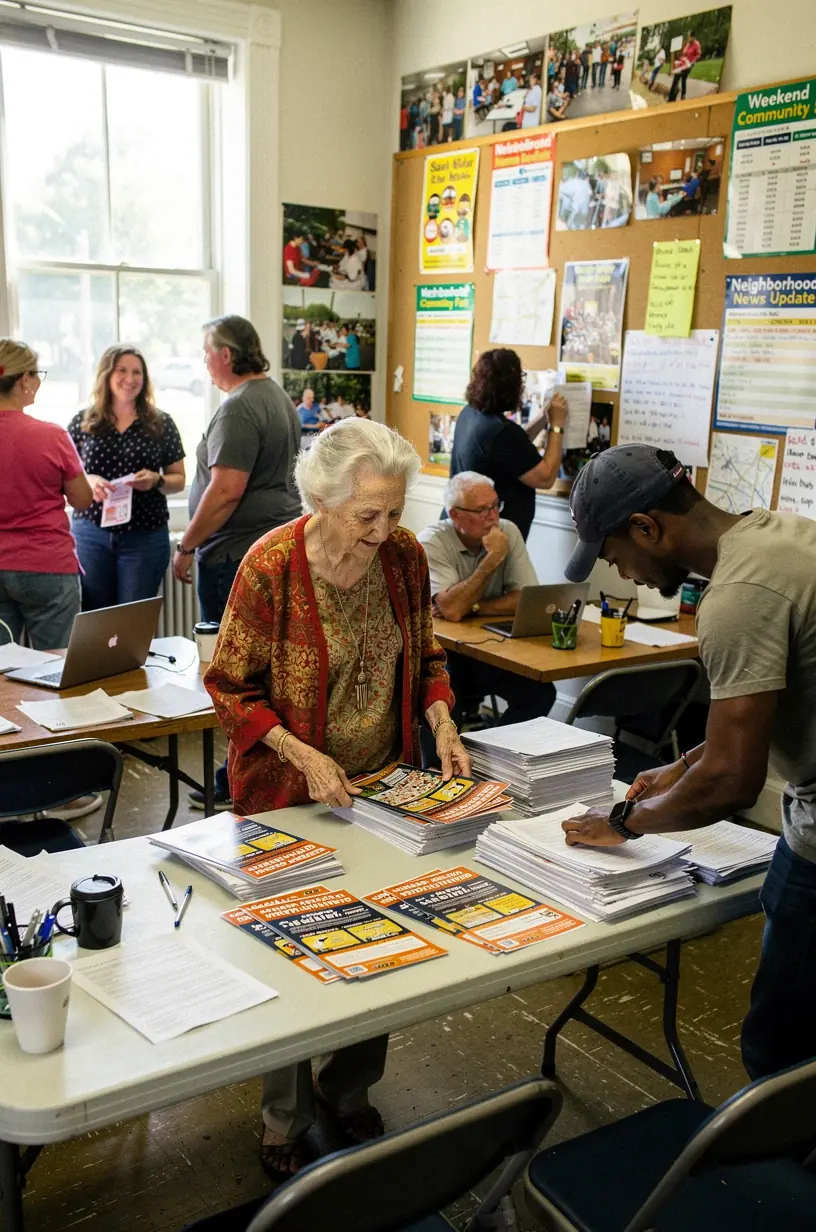
- Local Flyers: Distributing flyers in the neighborhood can help reach those who might not be on social media.
- Word of Mouth: Encourage participants to invite friends and family. Often, personal recommendations can attract more interest.
Maintaining Engagement
For a game exchange to thrive, ongoing engagement is essential. Consider the following:
- Regular Meetings: Schedule monthly gatherings for game nights. This typically fosters a sense of community and keeps interest alive.
- Feedback Loops: Collect suggestions from participants on games they’d like to see or improvements for the exchange.
- Variety of Games: Ensure a diverse selection of games to cater to different preferences. This can help maintain interest over time, as people might enjoy trying new genres.
Conclusion
Starting a neighborhood game exchange can be an enriching experience that fosters community ties and promotes social interaction. By following these steps and incorporating a realistic timeframe for setup and engagement, you can create a welcoming environment for game enthusiasts of all ages. Remember, while it may take some time to build momentum, the effort can lead to lasting connections and memorable experiences.