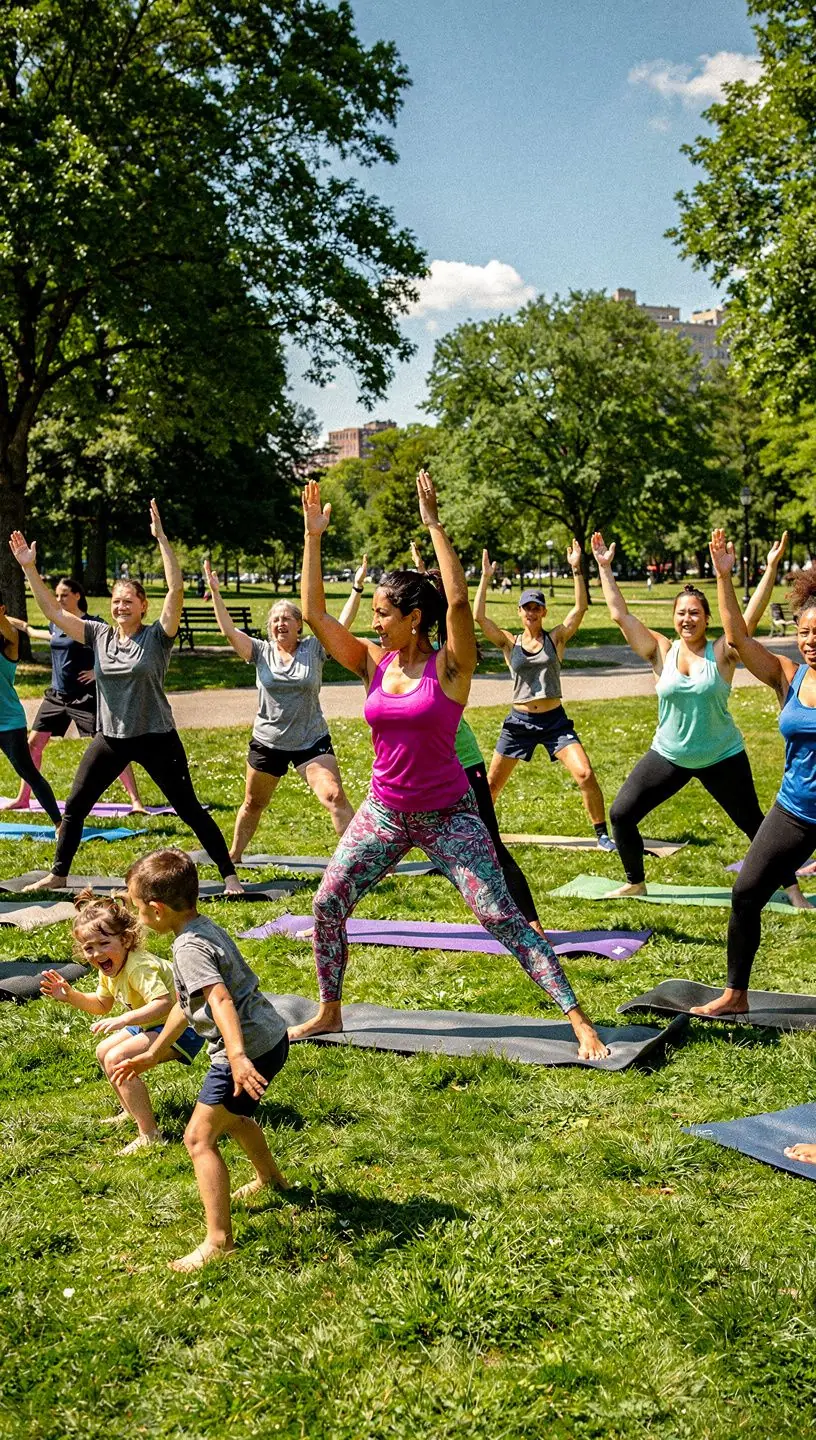
Tips for Creating an Inclusive Event Space
Creating an inclusive event space is not only ethically important but can also enhance participation and community engagement. In this article, we will explore some practical tips to foster inclusivity in neighborhood events.
Understanding the Importance of Inclusivity
Inclusivity refers to the practice of ensuring that all individuals, regardless of their backgrounds or abilities, feel welcome and valued. According to studies, inclusive event spaces can lead to increased engagement, with many users reporting higher satisfaction and participation rates.
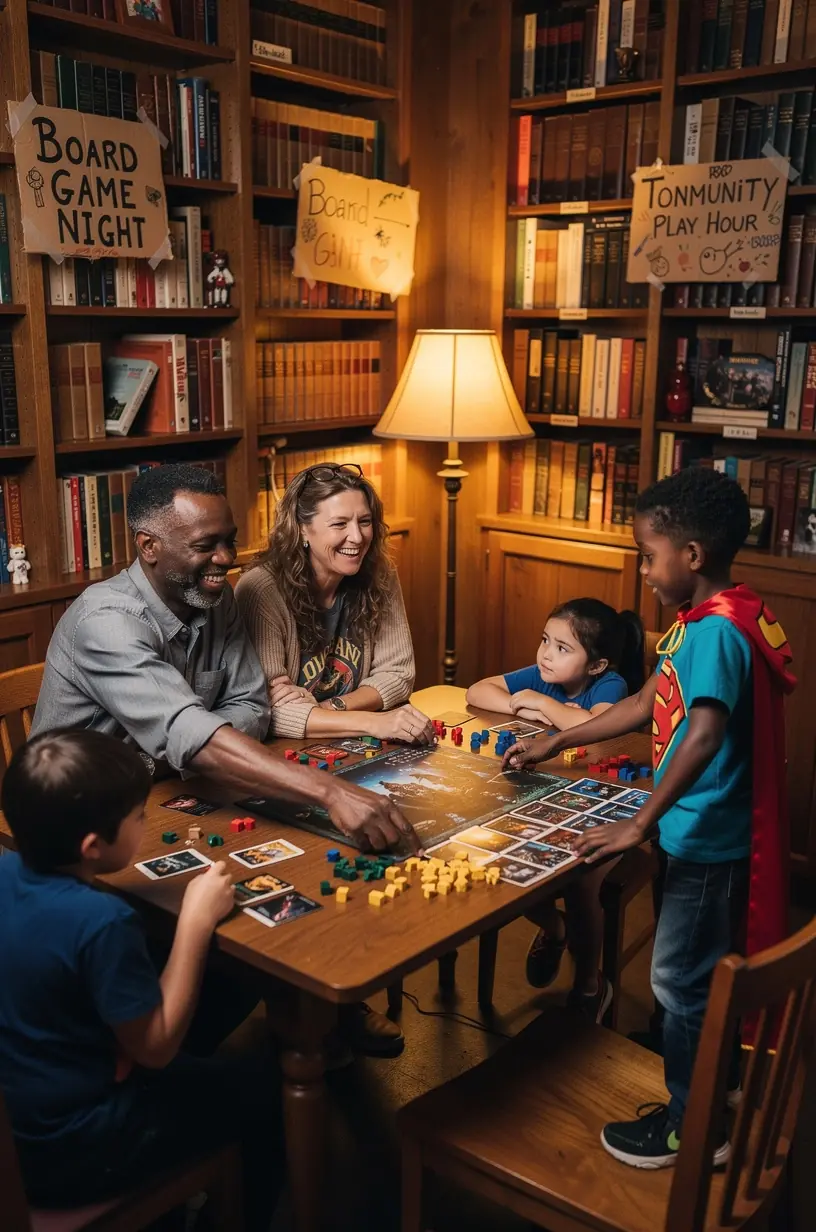
"Inclusivity is not just a nice-to-have; it's a must-have for successful community engagement." - Community Development Expert
Practical Steps for Creating an Inclusive Event Space
- Assess Accessibility: Ensure that your event venue is physically accessible to everyone, including those with mobility issues. This may involve providing ramps, accessible restrooms, and designated seating areas. Research indicates that venues with adequate accessibility features can increase attendance by up to 25%.
- Offer Diverse Programming: Curate a schedule that reflects the diversity of the community. This can include a range of activities, from board games to music genres that cater to different cultural backgrounds. Experts recommend that events featuring varied programming can attract a broader audience.
- Foster a Welcoming Environment: Create a space where attendees can comfortably express themselves. Simple actions, such as having staff trained in diversity and inclusion practices, contribute to a more welcoming atmosphere. This works best when staff members understand the nuances of different cultures and communication styles.
Engaging the Community
Involving community members in the planning process can significantly enhance inclusivity. Feedback from diverse groups can provide valuable insights. According to industry best practices, active engagement with local residents can lead to event features that genuinely meet their needs.
Importance of Clear Communication
Communicating event details clearly can help reduce barriers to participation. Use various platforms to share information and ensure that materials are accessible in multiple languages when needed. Research shows that clear communication can improve attendance and participant satisfaction.
Conclusion
Creating an inclusive event space requires intentional planning and community involvement. While the process may take time and effort, the benefits of increased participation and community cohesion make it worthwhile. By following these tips, you can foster an environment that welcomes everyone and promotes engagement.