Understanding the Logistics of Event Planning
Event planning can often seem overwhelming, especially when it comes to coordinating schedules, venues, and resources. This article aims to demystify the process by exploring key elements and best practices that can contribute to successful neighborhood events.
Understanding the Basics
Successful event planning involves a strategic approach that incorporates several aspects of logistics. According to industry experts, the initial step is to clearly define the event goals and audience. This foundational understanding helps in making informed decisions throughout the planning process.
"A well-defined objective not only guides the planning process but also ensures that all team members are aligned with the event's vision."
Key Components of Event Planning
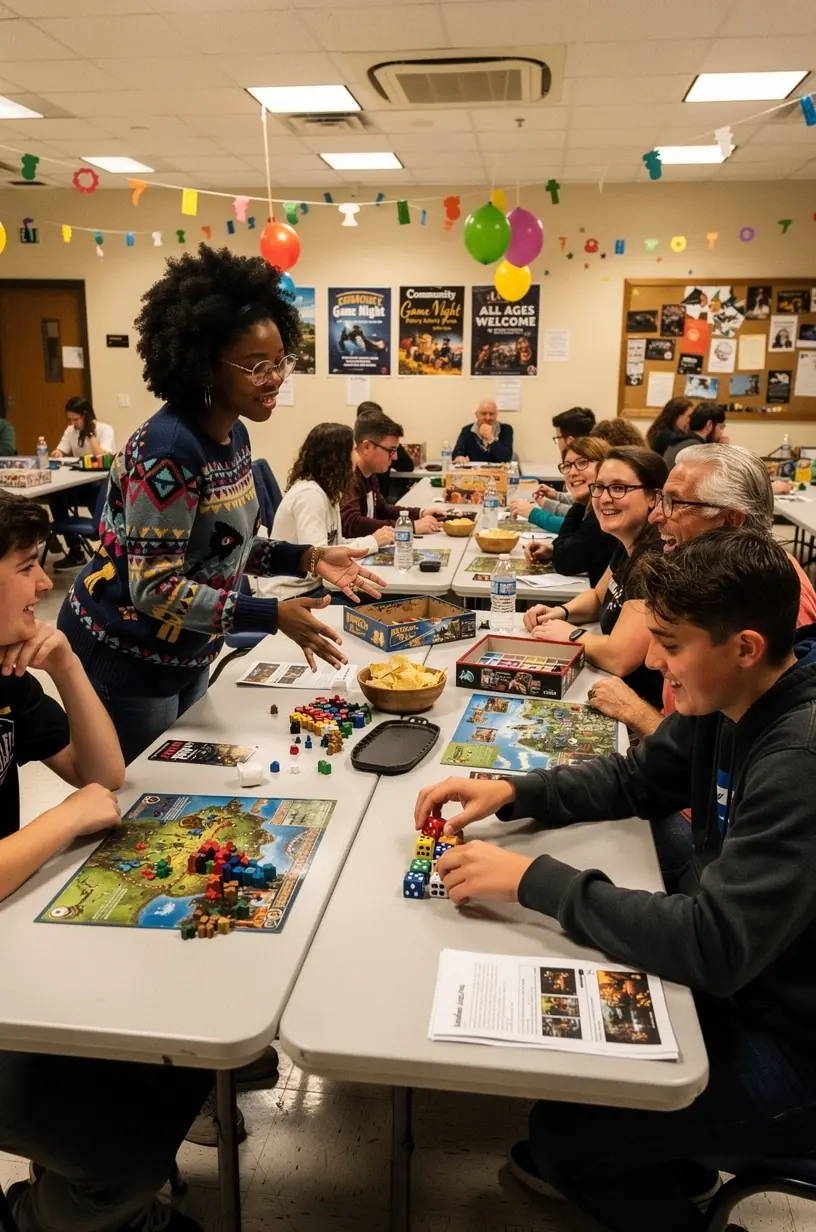
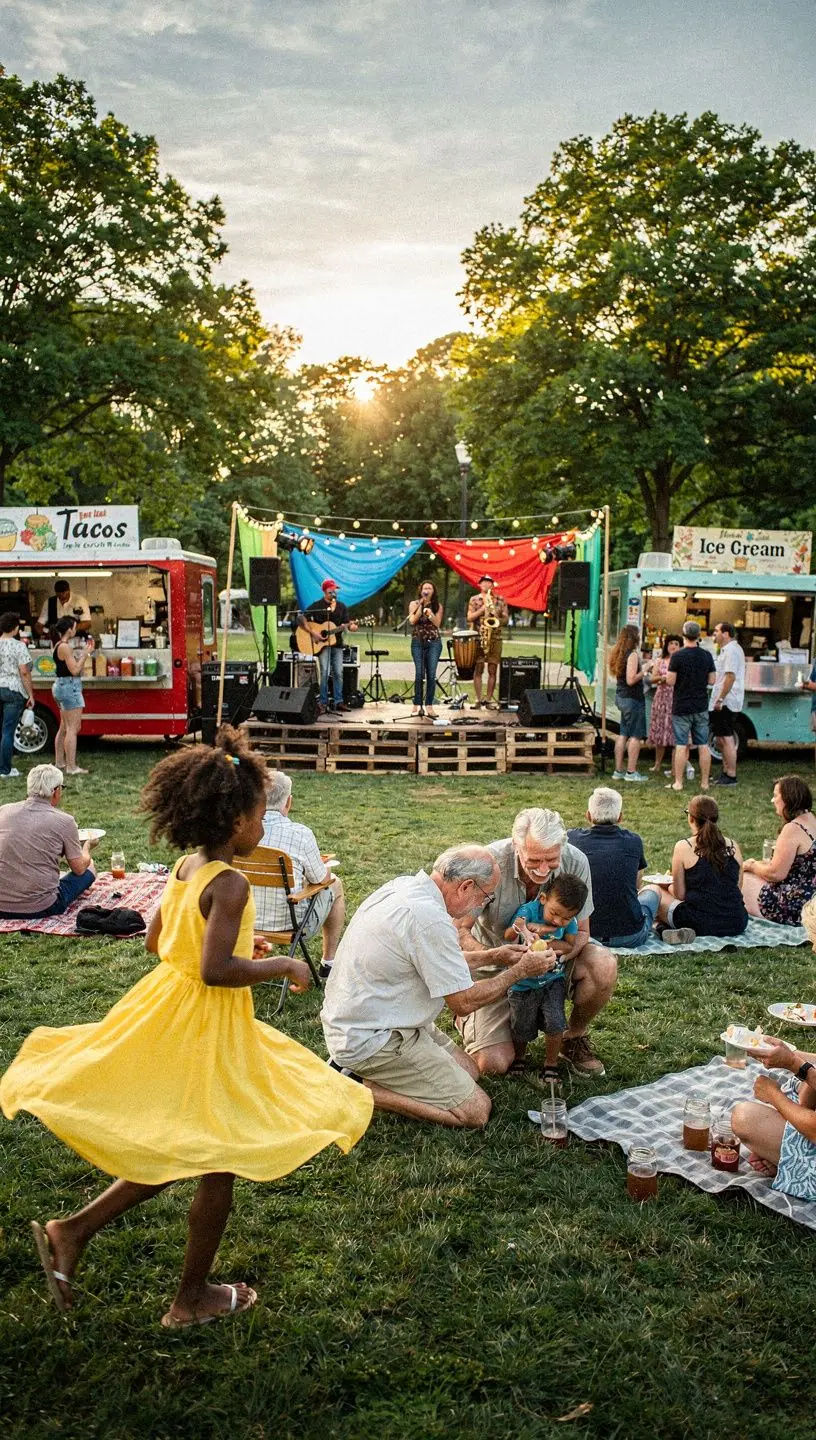
There are several essential components to consider when planning an event, particularly in community settings like board games, social clubs, and small concerts:
- Venue Selection: It's crucial to choose an appropriate venue that accommodates the expected number of attendees and provides necessary facilities. A study by the Event Marketing Institute suggests that venue choice can significantly impact attendee experience and satisfaction.
- Budgeting: Developing a realistic budget is vital for event success. Many planners recommend allowing extra funds for unforeseen expenses, which are common in event logistics.
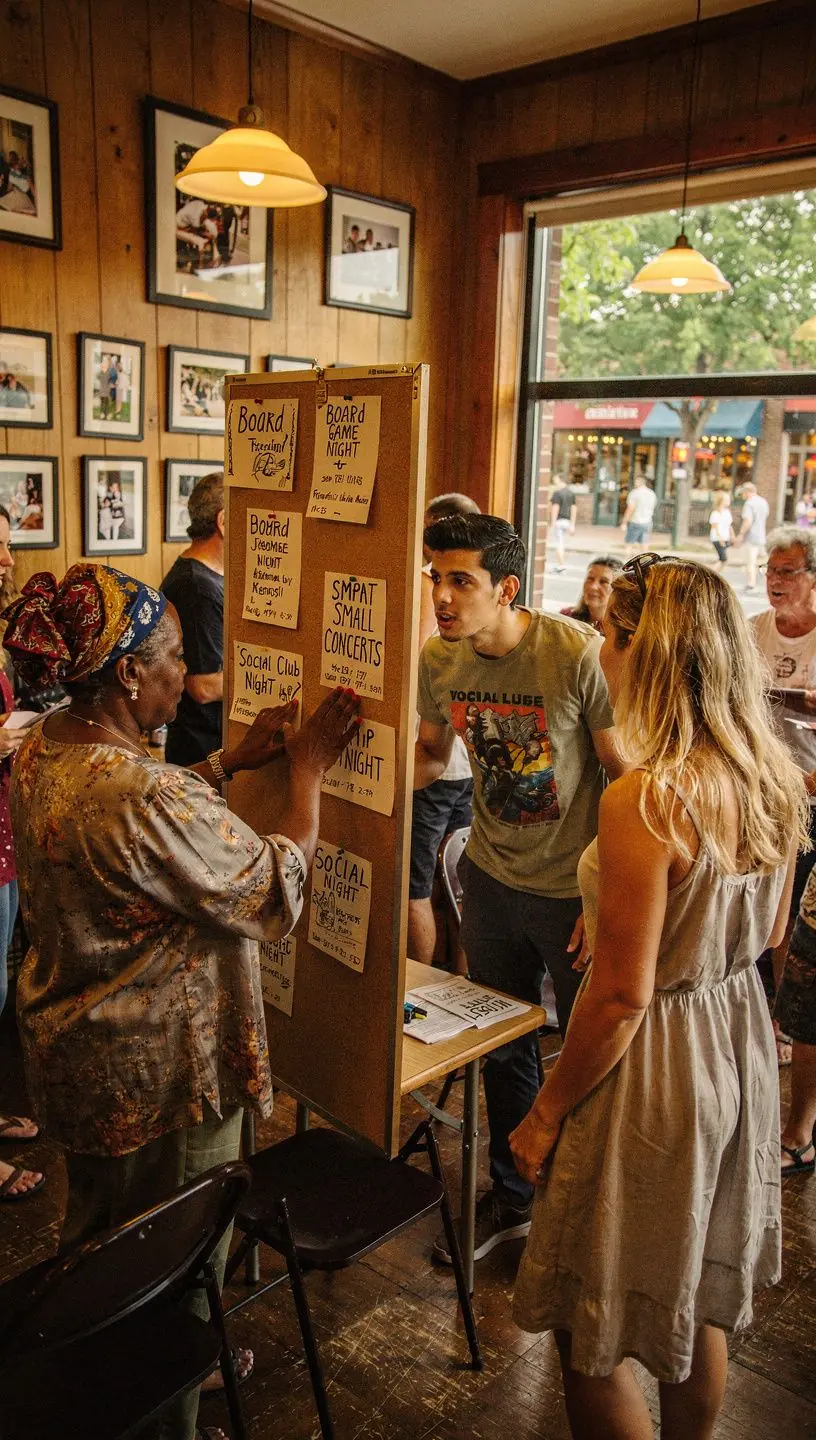
- Promotion: Effective event promotion is needed to ensure a good turnout. Research indicates that events with comprehensive marketing strategies tend to attract more participants. Utilizing social media and local community boards can enhance visibility.
Creating a Timeline
Establishing a timeline is another important step in the logistics of event planning. Typically, a successful event planning timeline spans 2-4 weeks, but larger events may require several months of preparation. Ensuring that every task is scheduled can help prevent last-minute chaos.
Steps to Consider:
- Outline the major milestones such as venue booking, vendor selection, and marketing launch.
- Assign responsibilities to team members or volunteers to ensure accountability.
- Regularly review the timeline to address any delays or adjustments needed.
Acknowledging Challenges
While planning can be rewarding, it often comes with challenges. According to various sources, common obstacles include managing volunteer participation and adhering to budget constraints. Being realistic about potential hurdles can help in formulating contingency plans.
"Realistic planning involves preparing for setbacks and being adaptable to changes that may arise as the event date approaches."
Conclusion
Event planning, particularly within community contexts, requires careful consideration of logistics, timelines, and potential challenges. By setting clear objectives, budgeting effectively, and planning ahead, organizers can create successful, engaging events. Remember, while the process may be complex, taking the time to understand each component can lead to more memorable experiences for all involved.