Ways to Promote Local Events Effectively
Promoting local events can be an essential aspect of building community engagement and participation. With modern tools and strategies, event organizers can reach their target audience effectively. This article will explore practical methods for promoting events, backed by evidence and industry practices.
Understanding the Importance of Local Event Promotion
Effective promotion is crucial for the success of local events such as board games nights, social clubs, and small concerts. According to research conducted by the Event Marketing Institute, approximately 70% of event success can be attributed to the effectiveness of promotional strategies employed. Engaging the community and creating awareness contributes to higher attendance rates, which in turn fosters community spirit.
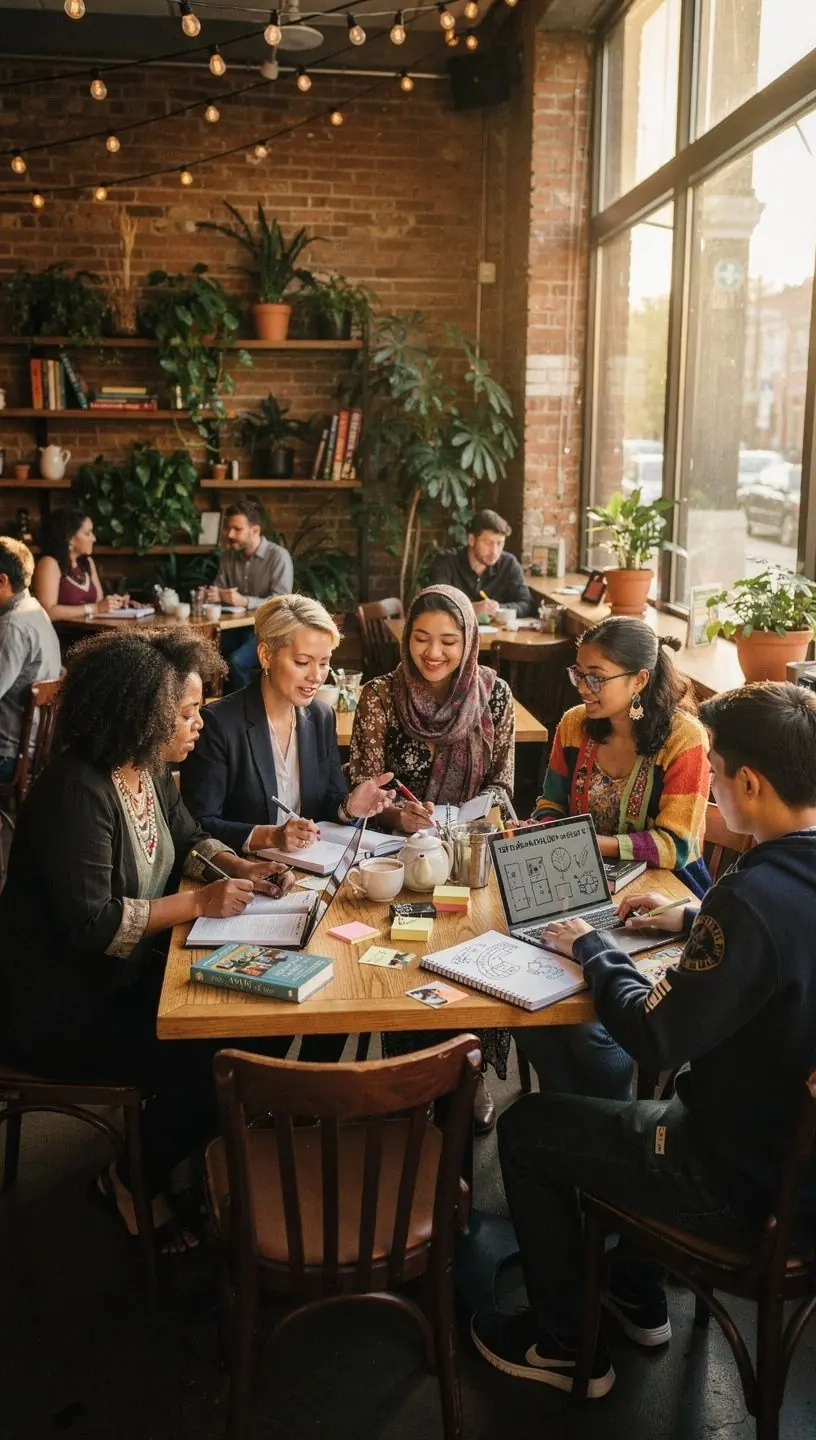
"The principle behind effective event promotion is understanding your audience and utilizing the right channels to reach them." - Industry Expert
Key Strategies for Effective Promotion
There are several proven strategies for promoting local events effectively:
- Utilize Social Media: Social platforms such as Facebook, Instagram, and Twitter are valuable tools for reaching local audiences. Many users report that targeted ads can significantly improve visibility, especially when promoted in the weeks leading up to the event. Experts recommend posting regular updates and engaging with potential attendees.
- Leverage Community Partnerships: Collaborating with local businesses and organizations can amplify your reach. Many successful organizers find that partnerships often lead to cross-promotion opportunities, increasing exposure to diverse audiences.
- Create Compelling Content: Content marketing plays a vital role in event promotion. Sharing blog posts, videos, or behind-the-scenes insights can generate interest and excitement. Research indicates that emotional storytelling can enhance connection, making potential attendees feel more invested in the event.
Measuring the Impact of Your Promotion
After implementing promotional strategies, it's essential to measure their effectiveness. Common methods include:
- Tracking Attendance: Keeping a record of how many people attend will provide insight into which strategies worked best.
- Engagement Metrics: Analyzing social media engagement (likes, shares, comments) can help gauge interest levels.
- Post-Event Surveys: Gathering feedback from attendees can reveal valuable insights into what attracted them and how to improve future events.
Acknowledging Challenges
While these promotional methods can be effective, it’s important to recognize the challenges they may present. For instance, many promotional strategies require time and consistent effort. Experts suggest that a well-planned promotional strategy typically takes 2-4 weeks to show tangible results, especially for larger events. Additionally, not all community members may be active on social media, necessitating alternative outreach efforts.
Conclusion
Promoting local events effectively involves understanding your audience, utilizing appropriate channels, and measuring success. By combining various strategies and acknowledging the effort required, event organizers can create engaging experiences that resonate with the community. Remember, the goal is to foster connections and enhance local culture, and with the right approach, you can significantly increase participation in your events.