The Evolution of Board Games in Modern Society
Board games have undergone a significant transformation in modern society. Once seen primarily as children's pastimes, they are now recognized as effective tools for social interaction, community engagement, and even educational purposes. This article explores how board games have evolved and their current relevance.
Understanding the Basics
According to industry experts, the resurgence of board games can be attributed to several factors, including the rise of social media and community-driven events. Many users report that playing board games provides a valuable platform for face-to-face interactions that digital platforms cannot replicate. This shift towards board gaming reflects a broader cultural emphasis on social connection, as people seek authentic experiences.

"Board games create a unique space where people can connect, collaborate, and compete, fostering a sense of community." - Game Studies Journal
The Role of Board Games in Social Interaction
Research indicates that board games can significantly enhance social skills and emotional intelligence. They often require players to engage in communication, teamwork, and strategic thinking. Here are some ways board games impact social interaction:
- Fostering Communication: Many games encourage discussion and negotiation, which can lead to improved interpersonal skills.
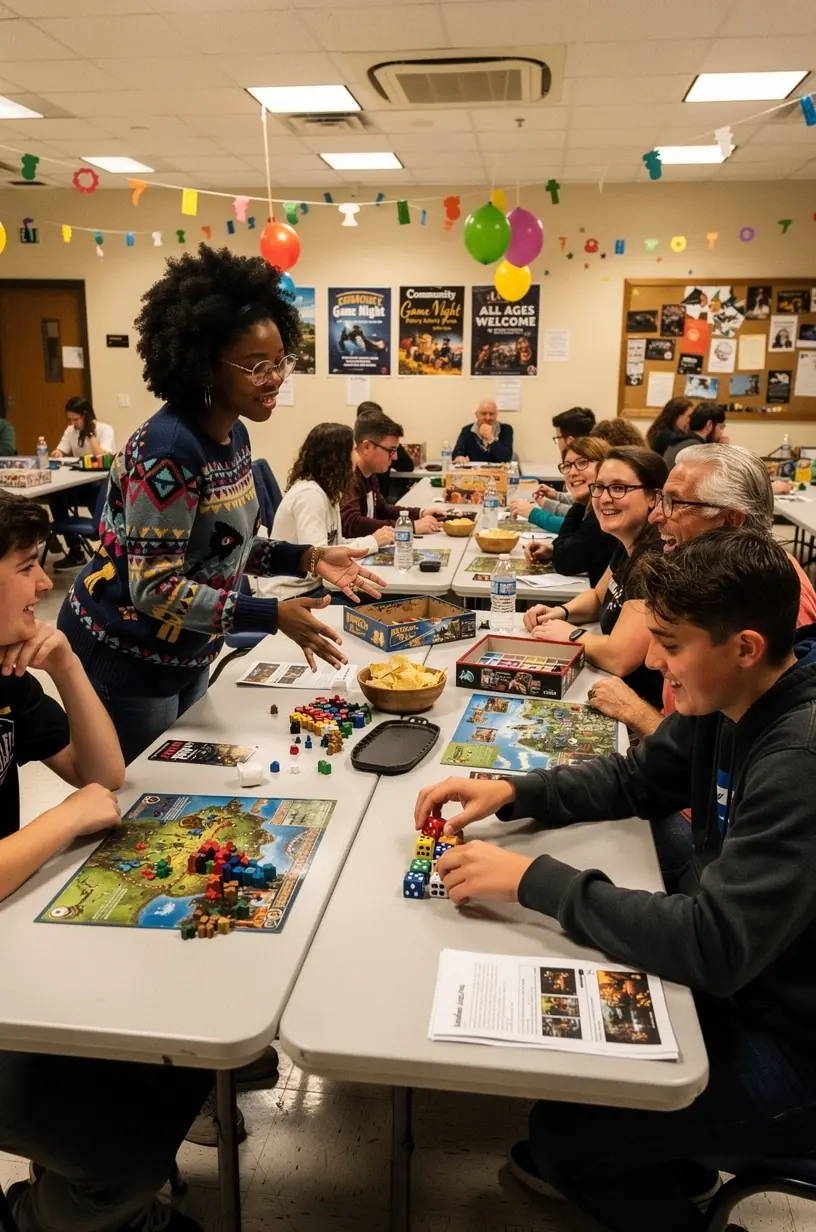
- Building Community: Local game nights and clubs foster connections among participants, creating a supportive network.
- Encouraging Inclusivity: Games can cater to diverse age groups and interests, making them suitable for various social gatherings.
Board Games as Educational Tools
In many educational settings, board games are increasingly recognized for their potential to enhance learning. Studies have shown that incorporating games into curriculum can lead to improved critical thinking and problem-solving abilities. This works because:
- Games often present complex problems that require players to devise strategies.
- They create an engaging learning environment that can stimulate interest in various subjects.
- Players learn through experience, which can reinforce knowledge retention.
However, it’s important to note that integrating games into education requires careful planning and alignment with educational objectives. Typically, this process can take a few weeks to implement effectively.
Conclusion
The evolution of board games reflects a growing acknowledgment of their important role in modern society. As tools for social interaction and education, they provide unique opportunities for connection and learning. While they may not be suitable for every situation, their impact on community engagement and personal development is undeniably significant. As board games continue to evolve, they will likely remain a staple in both social and educational contexts, offering a blend of joy and growth for many.
Learn More