Practical Tips for Creating a Game Night Schedule
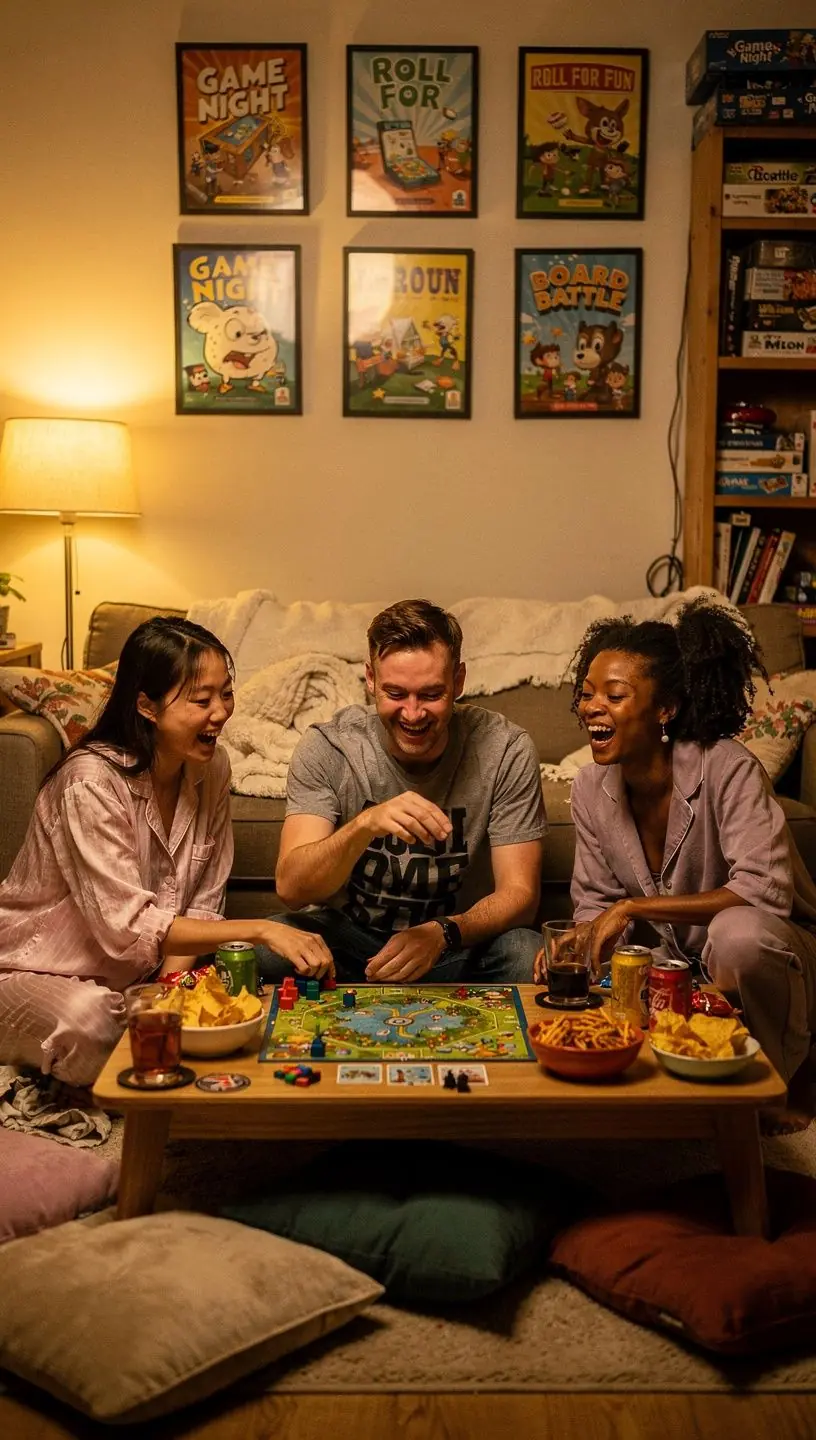
Organizing a game night can be a delightful way to bring friends and family together. However, creating an effective schedule requires thoughtful planning and consideration of various factors. This article provides practical tips to help you build a successful game night schedule.
Understanding the Basics
To effectively organize a game night, it’s essential to consider not just the games being played, but also the availability and preferences of your guests. Research shows that engaging activities can foster stronger relationships and enhance social interaction, making the schedule of your game night vital to its success.
Involve Your Guests in Planning
One effective approach is to involve your guests in the planning process. This can help ensure that everyone feels included and that their preferences are accounted for. Experts recommend sending out a quick survey or asking for input during a group chat. Here are some questions to consider asking:
- What types of games do you enjoy?
- Are there any dietary restrictions we should consider for snacks?
- What days or times work best for you?
Pick the Right Games
Selecting the right games is crucial. Depending on your guests' familiarity with board games, you may want to choose a mix of well-known classics and some new or less familiar titles. According to surveys, many users report that games requiring teamwork, like Pandemic, can enhance group dynamics and lead to more enjoyable experiences.
Establish a Schedule with Flexibility
While it’s essential to have a schedule to keep the evening flowing, industry standards suggest allowing for some flexibility. For instance, you might plan to spend around 1-2 hours on each game but build in breaks for snacks or socializing. This rhythm helps maintain energy and engagement throughout the night.
Sample Game Night Schedule
- 7:00 PM - Guests Arrive and Mingle
- 7:30 PM - First Game Begins
- 8:30 PM - Break for Snacks and Drinks
- 9:00 PM - Second Game Begins
- 10:00 PM - Closing Game or Open-ended Play
Prepare for Different Scenarios
It’s wise to prepare for various scenarios that might arise. For example, if one game isn’t resonating with your guests, be ready to pivot to another option. This adaptability can significantly enhance the overall experience. Many game night hosts find that having a backup game or two on hand can keep the momentum going, especially if guests have differing tastes.
Conclusion
Creating a game night schedule that caters to your guests’ preferences while maintaining a flexible structure can lead to memorable gatherings. By involving your guests in the planning stages, selecting a variety of games, and preparing for contingencies, you can foster enjoyable experiences that encourage social interaction. Remember that the goal is not just to play games, but to create lasting memories with friends and family.